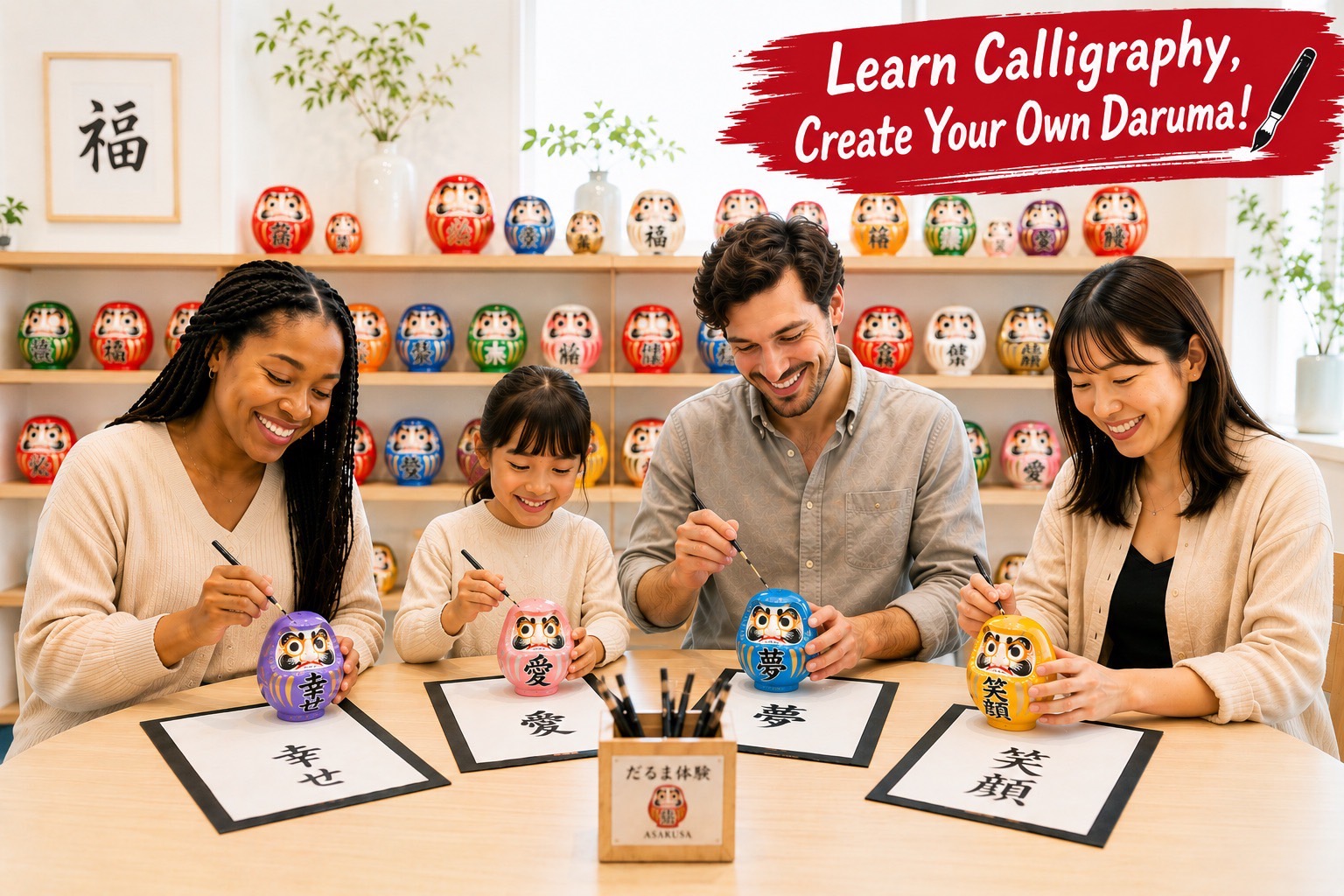
ASAKUSA · TRADITIONAL WISH ART

Daruma Painting Experience in Asakusa, Tokyo

Write your wish.Create your ownDaruma.Experience Japan.

Make a wish, paint in the eye.

Spend 60 minutes in a small workshop in Asakusa and experience two Japanese traditions: calligraphy and daruma painting. Choose a kanji that represents your name or wish, practice writing it with a brush, and paint it onto a handcrafted daruma. Add one eye as you make your wish, then take home a one-of-a-kind lucky charm created by you.

Located in Asakusa, Tokyo · a hands-on cultural attraction · same-day take-home

  • 3 minutes from Asakusa Station
  • English-speaking staff
  • Small-group workshop
  • Beginner & family friendly
  • ¥7,700 per person / 60 minutes

SINCE THE EDO PERIOD

A daruma is more than a decoration.

The origins of the daruma lie with Bodhidharma, revered as the founder of Zen. His teachings and likeness traveled from China to Japan, where they became entwined with Japanese prayer and aesthetics. By the Edo period, the figure had evolved into a distinctly Japanese good-luck charm entrusted with people’s wishes.

Its rounded form, rising again no matter how many times it falls, embodies the Japanese spirit of refusing to yield to hardship and holding fast to one’s wish until the end.

Paint in an eye as you make your wish. In that moment, the daruma changes from a simple papier-mâché figure into a one-of-a-kind talisman carrying your resolve and your wish.

Fall seven times, rise eight

A daruma is weighted at the base, so it stands back up even when it is knocked over. Its form embodies resilience: the courage to rise again after every setback.

A story that begins with one eye

Traditionally, you paint the left eye first while making a wish, then display the daruma. When the wish comes true, you paint the other eye with gratitude.

A good-luck charm since the Edo period

Introduced from China, the daruma developed its own distinct form in Edo-period Japan. From prosperity in business and safety at home to the achievement of personal goals, it has become one of Japan’s most iconic lucky charms.

Symbols of good fortune in every face

The daruma’s eyebrows are said to represent cranes and its beard turtles, both symbols of longevity and happiness. Red is also believed to ward off misfortune, making the entire figure a symbol of good fortune.

HOW IT WORKS

From ornament to lucky charm

This 60-minute experience follows four simple steps. All tools and materials are provided at the workshop.

01

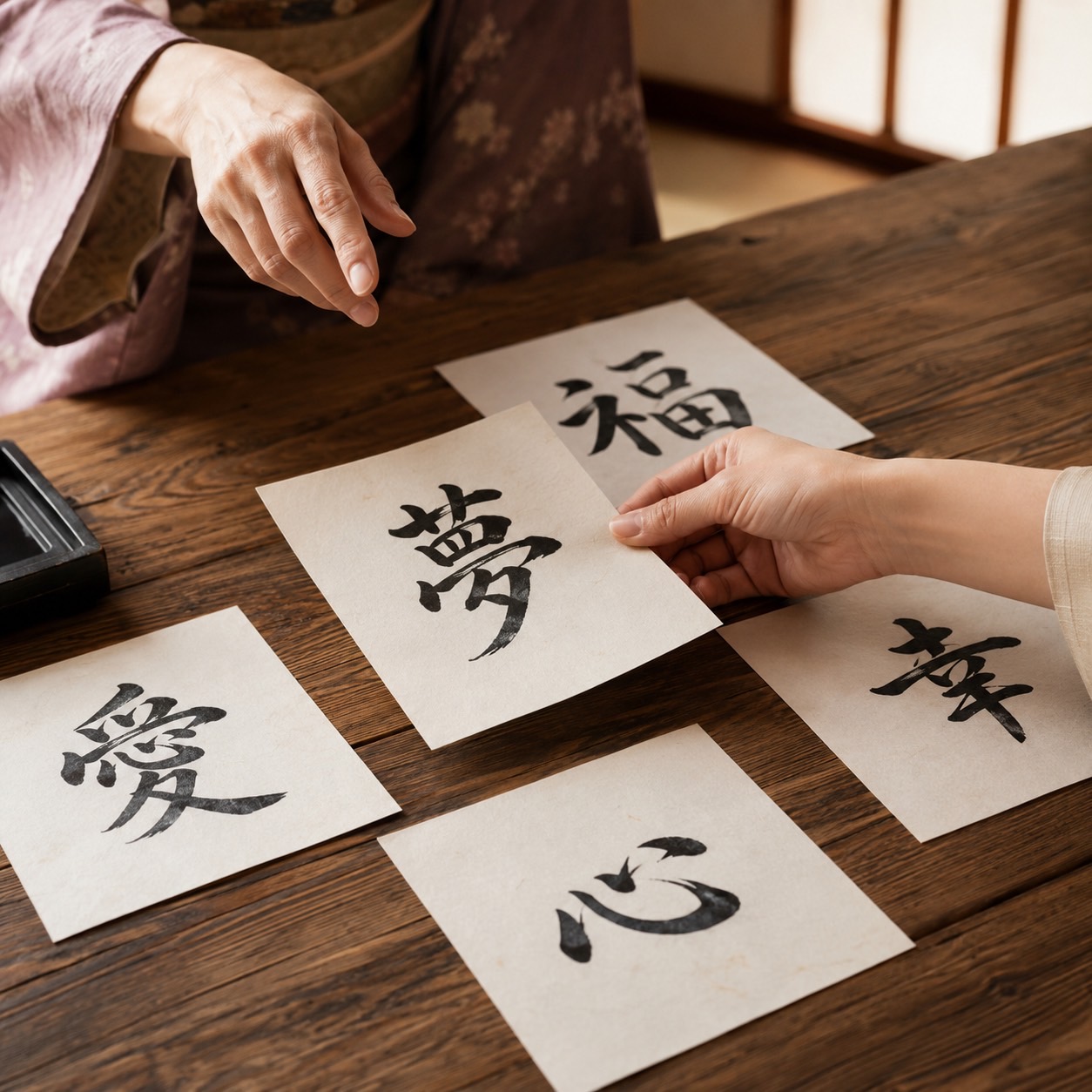
Choosing a kanji that represents a name, wish, or meaningful intention

Choose Your Kanji

Choose a kanji that represents your name, a wish, or a value that is meaningful to you.

02

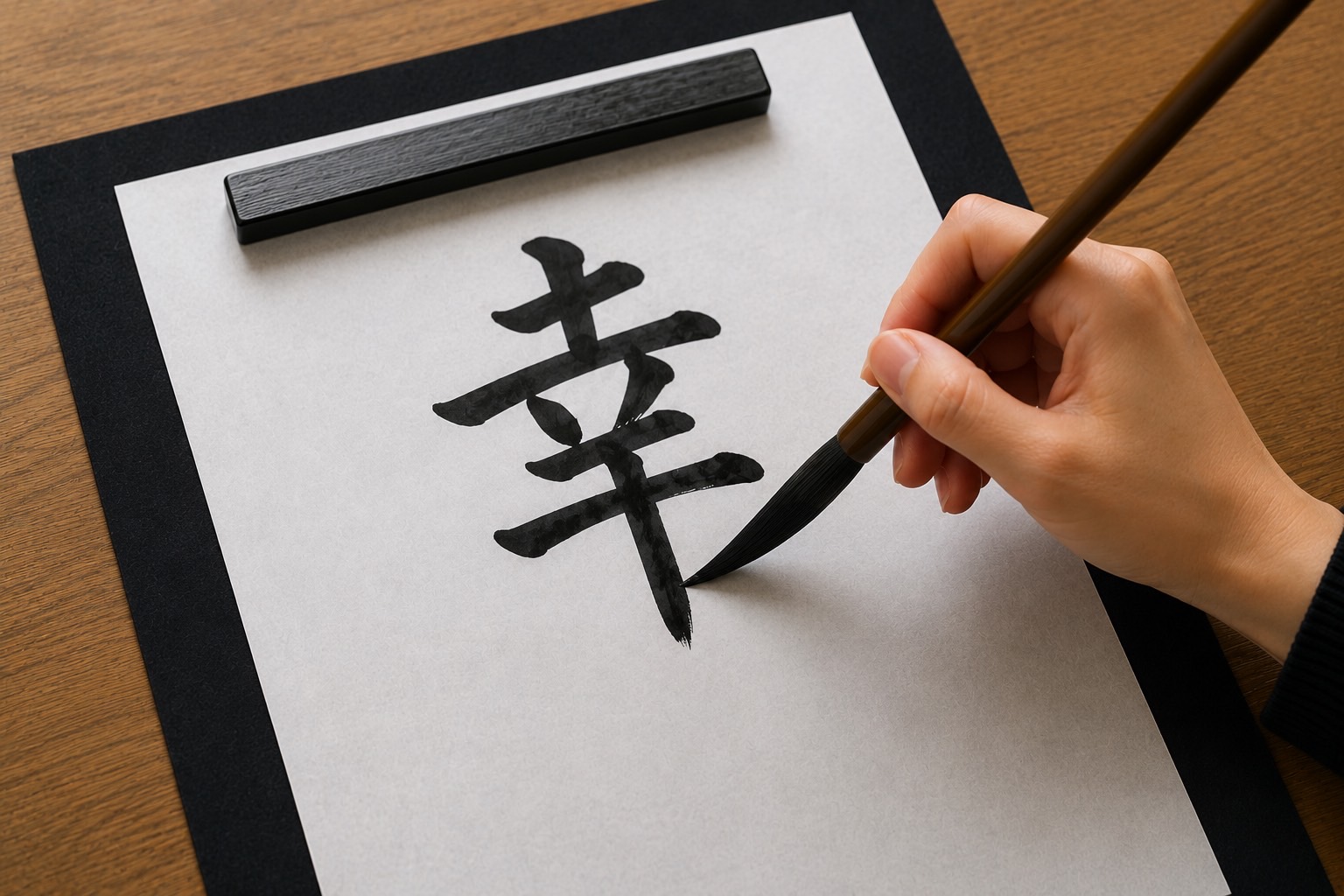
Practicing Japanese calligraphy before painting a kanji on a daruma

Practice Japanese Calligraphy

Learn the basics of Japanese calligraphy, then practice writing your chosen kanji.

03

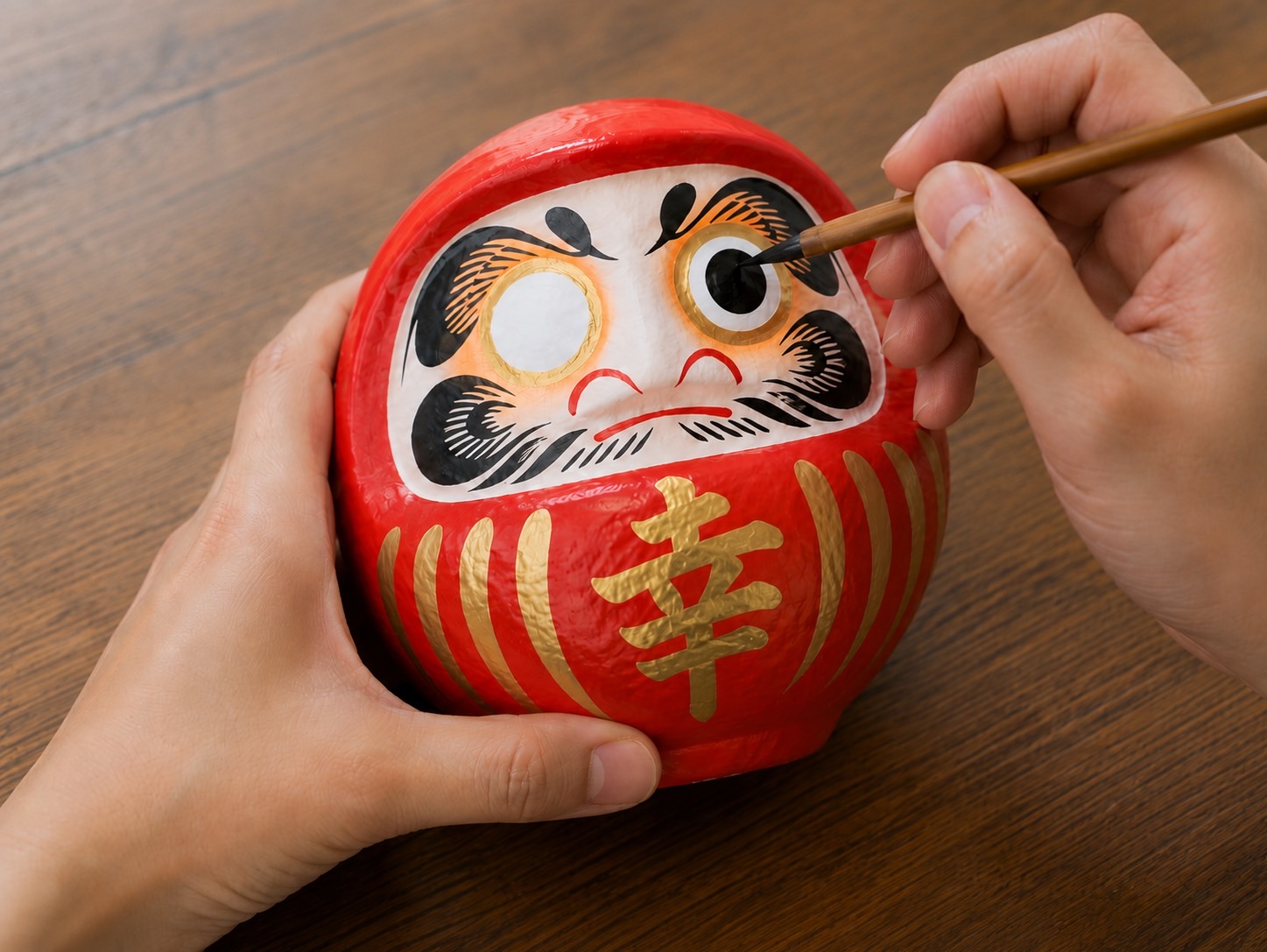
Painting one eye on a daruma while making a wish

Paint Your Daruma

Paint your chosen kanji onto the daruma and add its first eye while making your wish.

04

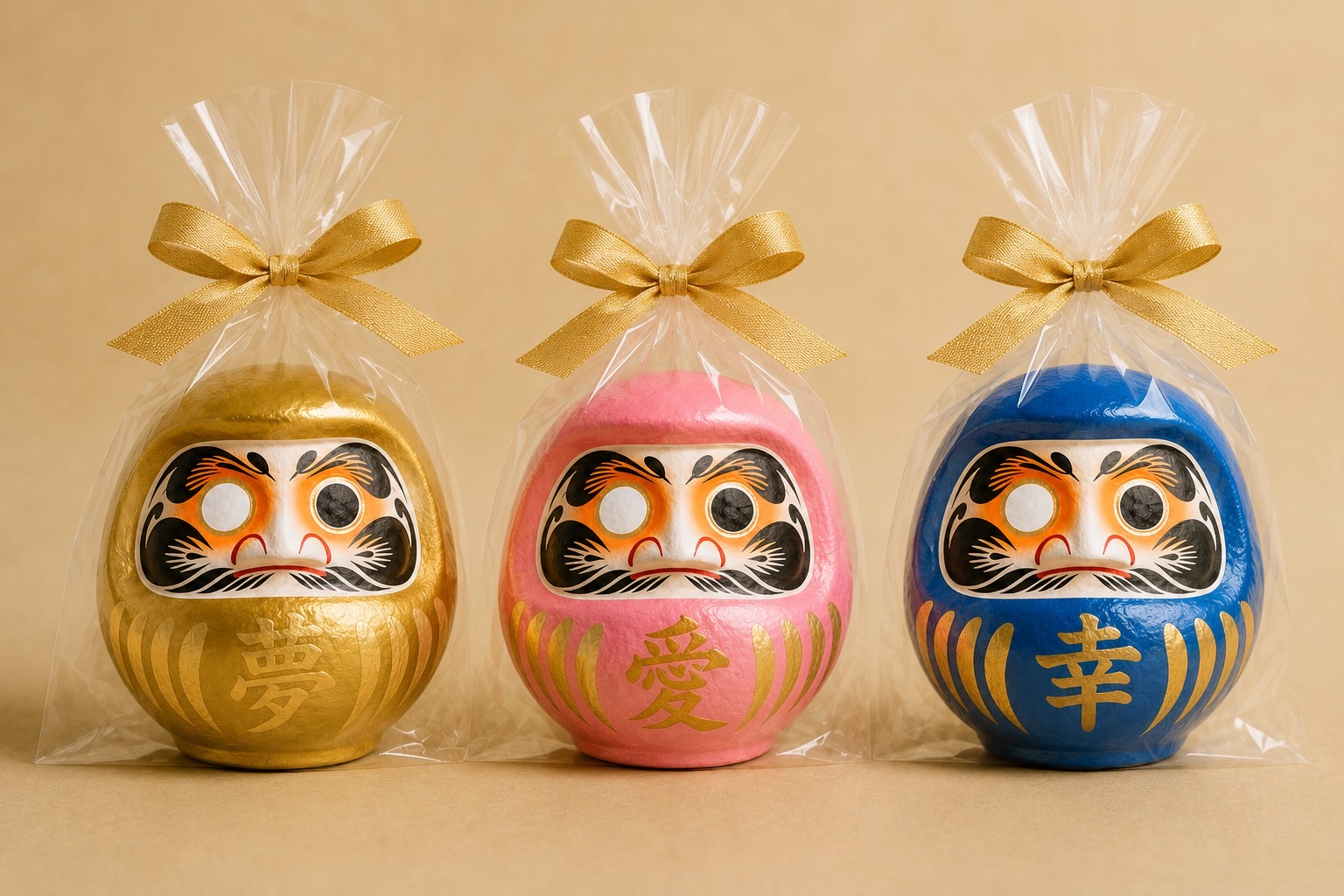
Colorful finished daruma ready to take home on the same day

Take Your Daruma Home

Take your daruma home the same day as a lucky charm. Paint the second eye when your wish comes true.

THE EXPERIENCE

Calligraphy & Daruma Painting Workshop

Learn Japanese calligraphy, practice a kanji that reflects your name or wish, then paint it by hand onto a daruma handcrafted by an artisan.

Guests painting a lucky daruma during an English-friendly workshop in Asakusa

Calligraphy & Daruma Painting

Calligraphy & Daruma Painting

A special Japanese cultural experience where your travel memories and wishes come together in a one-of-a-kind lucky charm. This hands-on activity is a memorable cultural attraction for visitors looking for a unique thing to do in Asakusa.

A GIFT, JUST FOR YOU

Your Name, Reimagined in Kanji.

We’ll transform the sound of your name into beautiful, meaningful Japanese kanji.

Your Name

Emily

Your Kanji Name

恵美里

THE ART OF SHODŌ

About Japanese Calligraphy

Experience the Art of Japanese Calligraphy
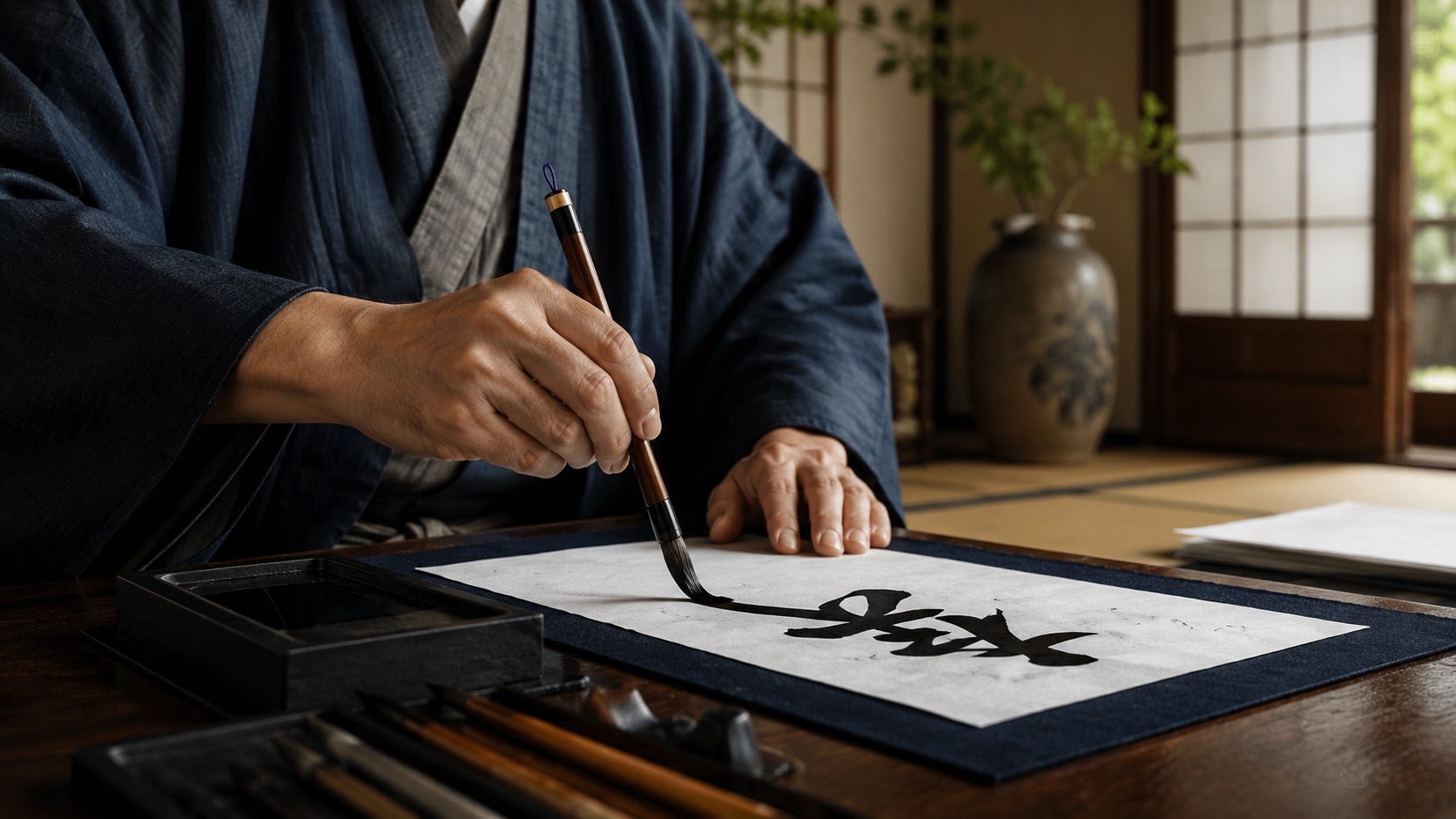
Practicing Japanese calligraphy with brush and ink before painting a daruma

The spirit and culture of Japan in every brushstroke

Japanese calligraphy, or shodō, took root in Japan with the arrival of kanji and has been passed down for more than a thousand years. More than simply writing beautifully, it is an art form that expresses the spirit and individuality of the person holding the brush.

During the experience, choose a kanji that reflects your name, wish, or intention and learn to write it with a brush. After practicing each stroke with care, you will paint the character onto your daruma yourself, creating a one-of-a-kind piece.

MADE IN TAKASAKI

About the Daruma

Handmade in Takasaki, Completed by You

Handcrafted Takasaki daruma used in the Asakusa painting experience

From Takasaki, the home of daruma, to Asakusa

The daruma used in our workshop are individually handcrafted by skilled artisans in Takasaki, Gunma Prefecture, a city renowned for daruma making. Each is an authentic Made-in-Japan piece shaped by Japanese tradition and generations of craftsmanship.

You are the one who paints in its eye, adds your chosen kanji, and brings it to completion.

Passed from the hands of Takasaki artisans to yours in Asakusa, each daruma becomes a one-of-a-kind creation that you can take home the same day.

VOICES

Guest Reviews

★★★★★

The instructions in English made my first calligraphy experience easy and enjoyable. Painting in the eye while making a wish was one of the most memorable moments of my trip.

— Sarah T. / Australia

★★★★★

This was one of our favorite family-friendly attractions in Asakusa and a wonderful way to experience Japanese culture with our children. The staff were warm and supportive, and the whole family had a fantastic time.

— Michael R. / USA

★★★★★

Choosing a kanji that reflected my name and wish, then writing it with a brush, felt completely new to me. It was an unforgettable way to connect with Japanese tradition in Asakusa.

— Emma L. / United Kingdom

★★★★★

I loved learning the meaning behind every step, from calligraphy to painting the daruma. The daruma I completed myself is a special keepsake filled with memories of my trip.

— Lucas M. / Brazil

BEFORE YOU VISIT

Daruma Workshop FAQ

Everything you need to know before joining this English-friendly, hands-on cultural attraction and workshop—one of the most distinctive creative activities in Asakusa.

What is a daruma?

A daruma is a traditional Japanese good-luck charm that symbolizes perseverance and the determination to achieve a goal. Traditionally, one eye is painted when making a wish, and the second eye is added when the wish comes true.

What happens during the workshop?

You will choose a kanji that represents your name or wish, practice Japanese calligraphy, paint the kanji onto a handcrafted daruma, and add its first eye while making your wish.

Is the workshop available in English?

Yes. English-speaking staff will guide you through every step, so no Japanese language ability is required.

Do I need calligraphy or painting experience?

No experience is needed. The workshop is designed for beginners, and all tools and materials are provided.

Can children join the workshop?

Yes. The experience is suitable for families and children who can comfortably use a brush with guidance from an adult or instructor.

Can I take my daruma home?

Yes. You can take your completed daruma home on the same day as a one-of-a-kind souvenir and lucky charm from Japan.

How long does the experience take?

The workshop takes approximately 60 minutes.

How do I get to the workshop?

LUCKY DARUMA ASAKUSA is located a 3-minute walk from Asakusa Station, in the heart of one of Tokyo’s most historic sightseeing districts.

Turn Your Asakusa Memories into a Keepsake Filled with Wishes

Experience a living Japanese tradition as you create a one-of-a-kind daruma bearing your name and wish. Take home a lucky charm that holds both the memories of your journey and the hopes you carry into the future.

Check Availability & Book

Tap an eye and make your wish.